NIW Insect of the day: Lucerne flea
Posted 26 June 2014

This Insect of the Day feature has been produced as part of Harper Adams University's National Insect Week celebrations, June 23-29.
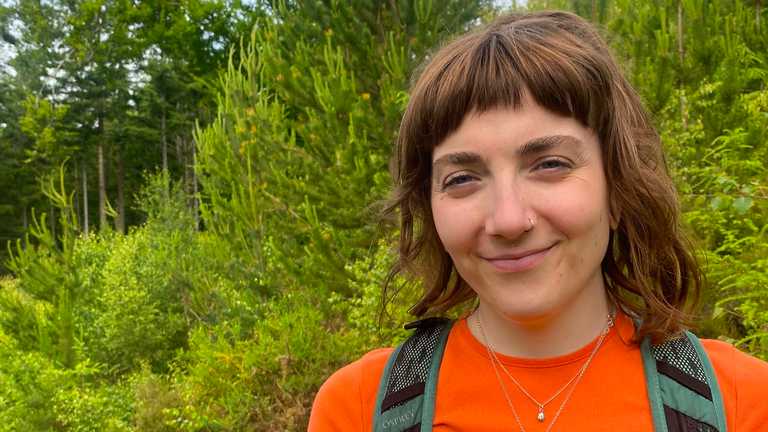
The lucerne flea by Postgraduate Researcher, Fran Sconce.
You might be thinking that the lucerne flea or Sminthurus viridis sounds like a jumping biting parasite? It is actually a rather beautiful species of springtail, which are a group of wingless invertebrates closely related to insects.
The species is green, yellow or brown in colour, can grow to up to 3mm in length, has three pairs of legs and lives on the soil surface of grassland habitats.
Sminthurus viridis can ‘spring’ to escape from predators but not using its legs like fleas, instead, like most springtails it has a hinge-like tail called the ‘furca’. This is kept tucked up along the front of its body, the end of the furca then flicks away to spring, pushing down against the ground and flinging the springtail up and away.
This can all happen very quickly in just a few milliseconds, so to the naked eye the springtail seems to disappear, it also has very little control of the direction that it springs!
Unlike most springtail species which feed on dead and decaying soil organic matter, Sminthurus viridis feeds on living plant tissue, mainly lucerne (alfalfa) and other legume species, and also some grass species.
The springtail originates from Europe and is very common in the UK, but it has spread worldwide with the transportation of soil and in some areas of the southern hemisphere it has become an agricultural crop pest.
Accidentally introduced into Australia in the late 19th Century, where numbers of Sminthurus viridis can increase fast as there are few natural enemies to predate on it, the species can reduce lucerne crop yields by up to 50%.
The species can however be controlled chemically with organophosphate pesticides and biologically by several predatory snout mite species. The timing of control is very important as Sminthurus viridis can respond very quickly to seasonal changes in environmental conditions and crop growth.
Follow Fran on Twitter @FranciscaSconce and National Insect Week @insectweek

Most popular
-
 125th anniversary celebrations launched by Chancellor Her Royal Highness The Princess Royal
29 September -
 Graduate planning to transform Shetland farming named Farmers Weekly Ag Student of the Year
2 October -
 Award-winning graduate takes on Duchy of Cornwall’s first regenerative Farm Business Tenancy
6 October -
 Allied professionals can support farmer mental health - but should not be relied upon and need help themselves, study says
5 October -
 Graduation 2026: meet our alumni speakers
18 September -
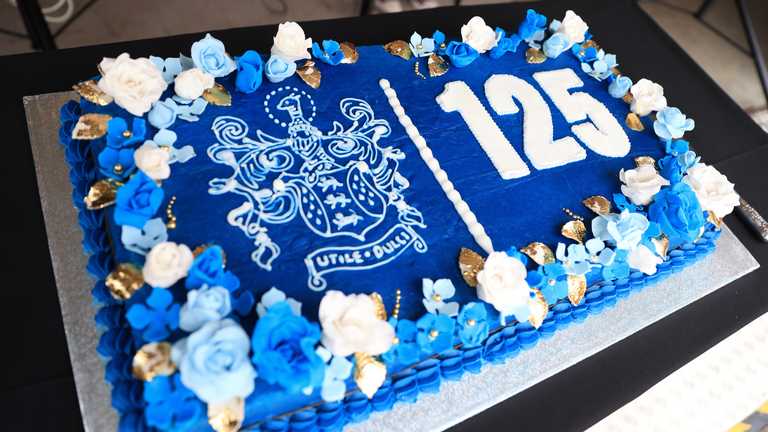 Conference and party round off 125th anniversary opening celebrations
30 September